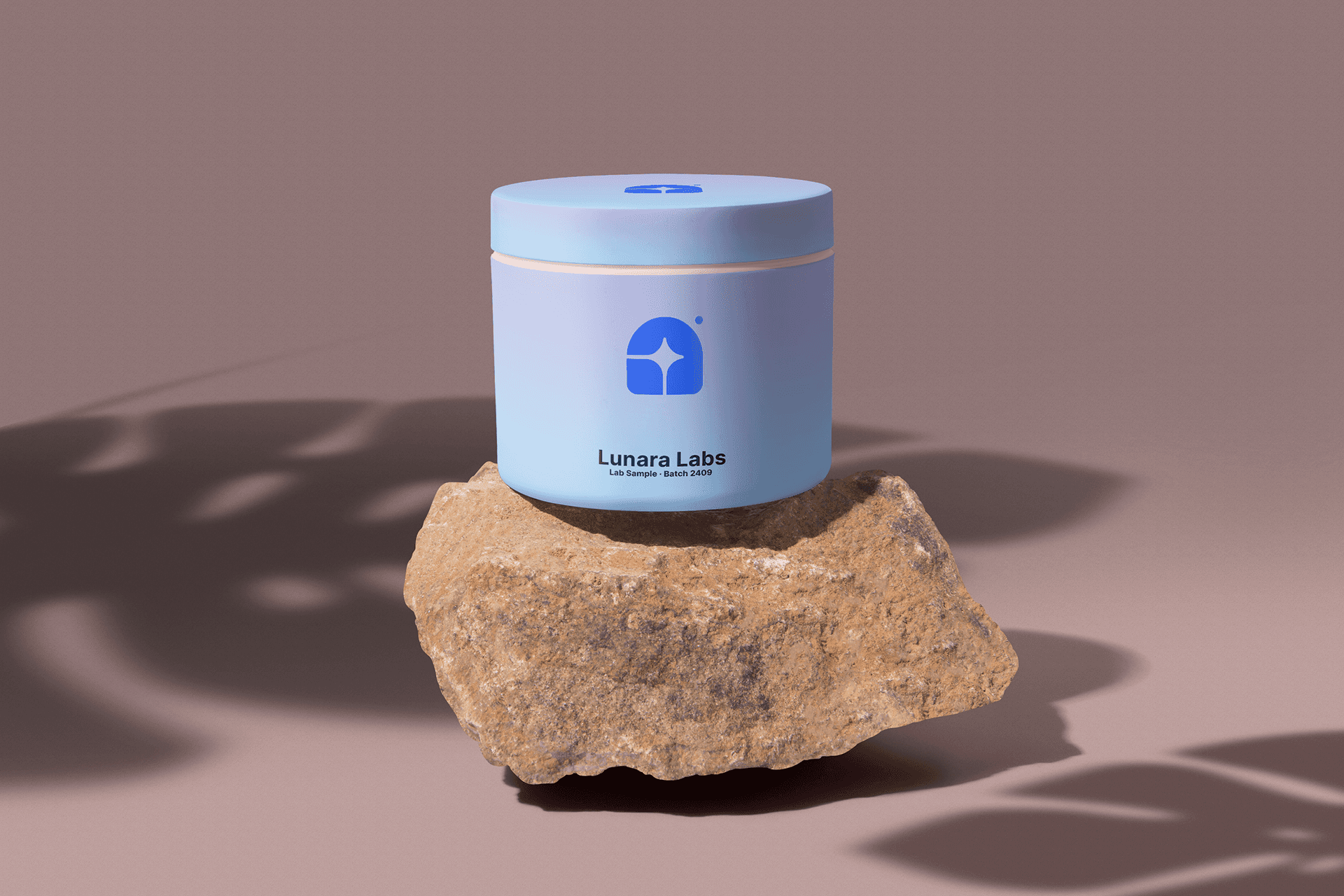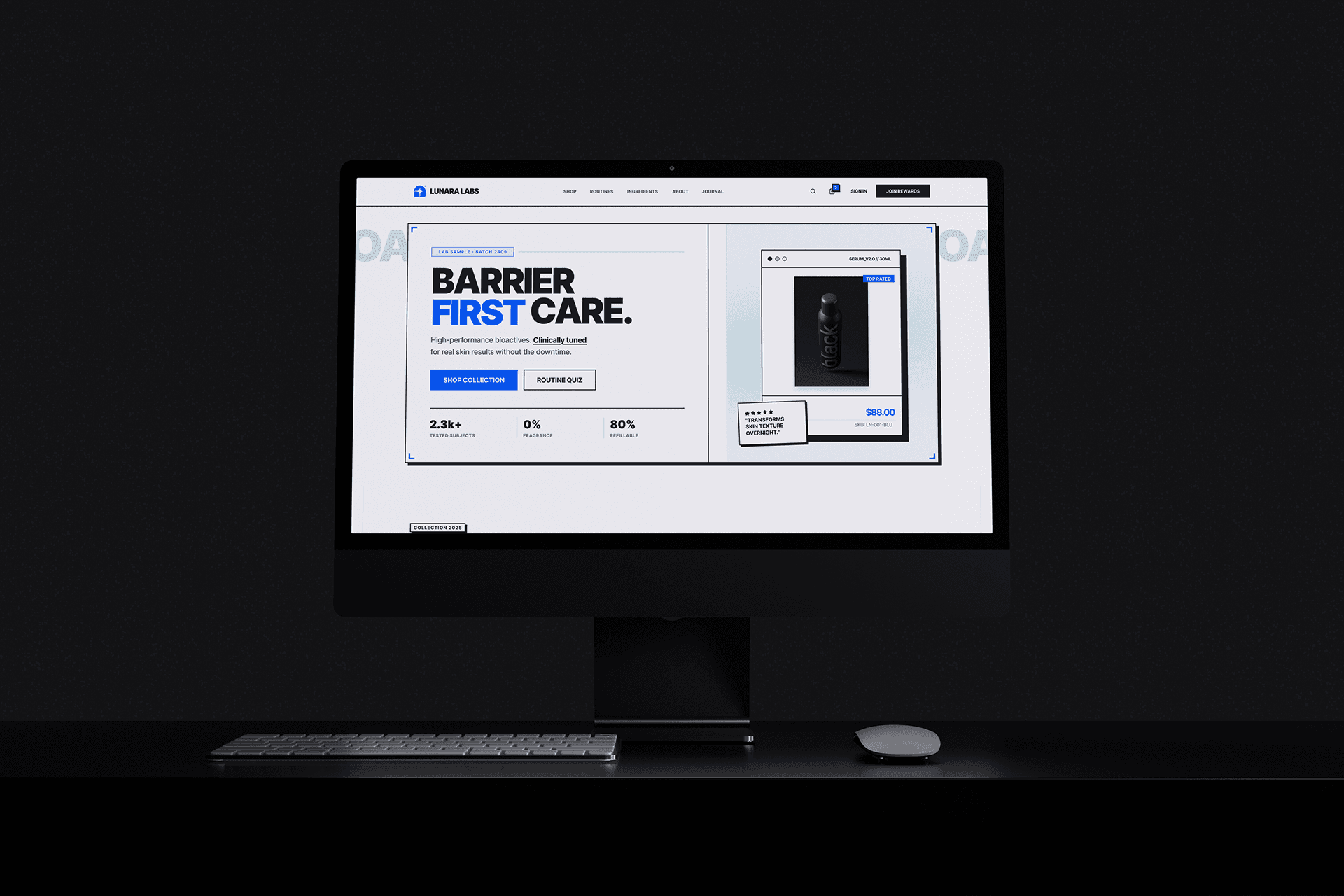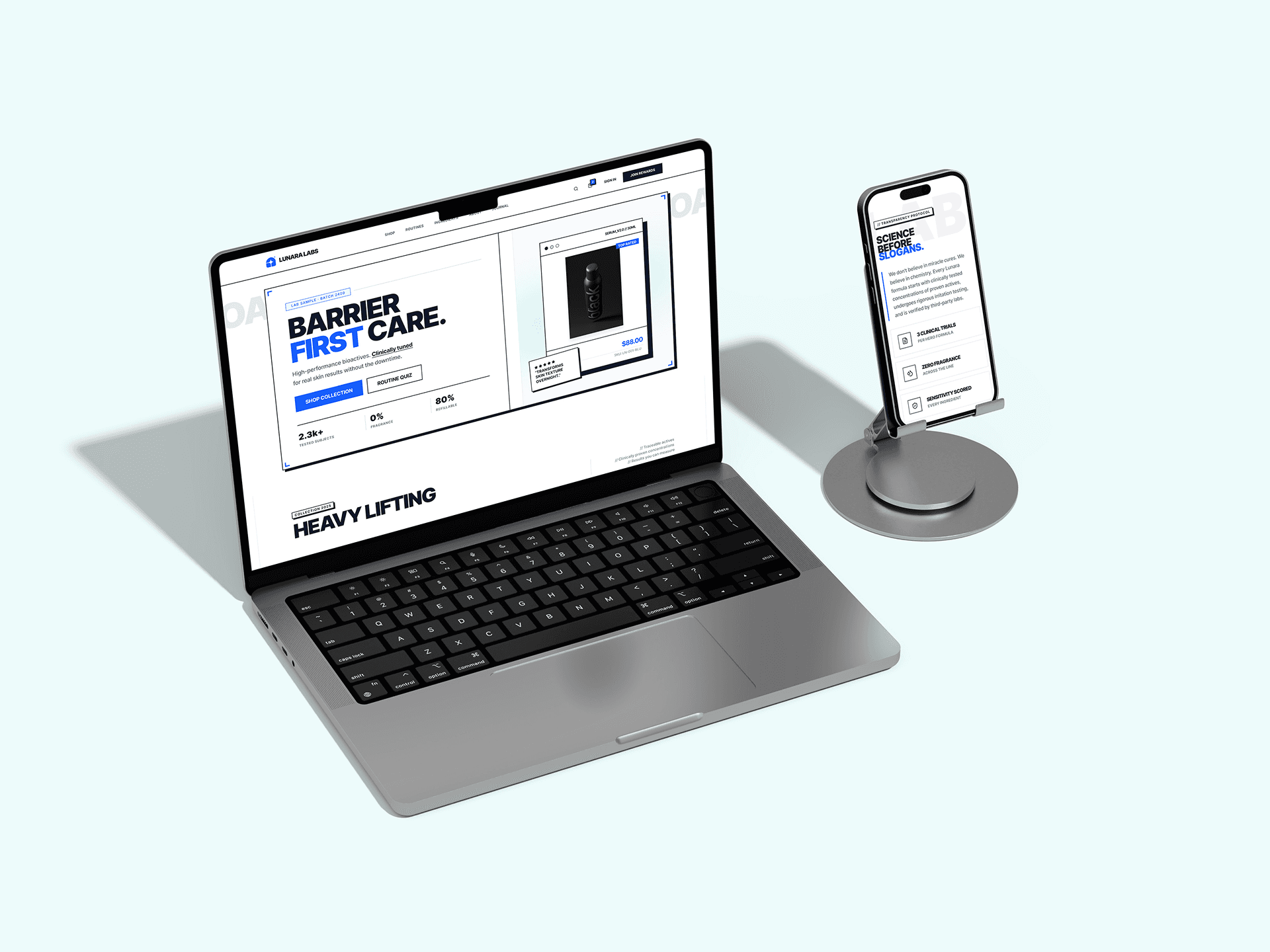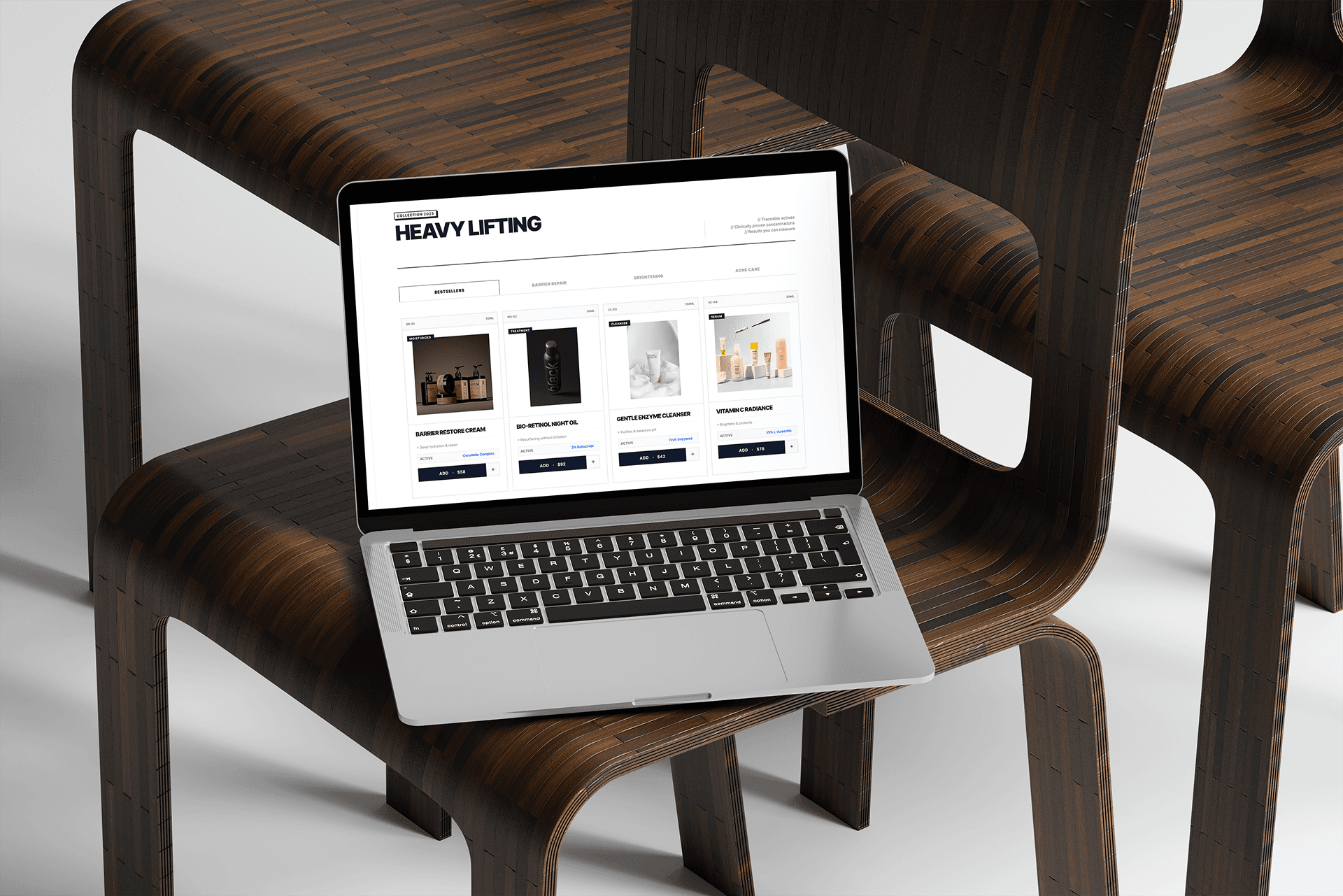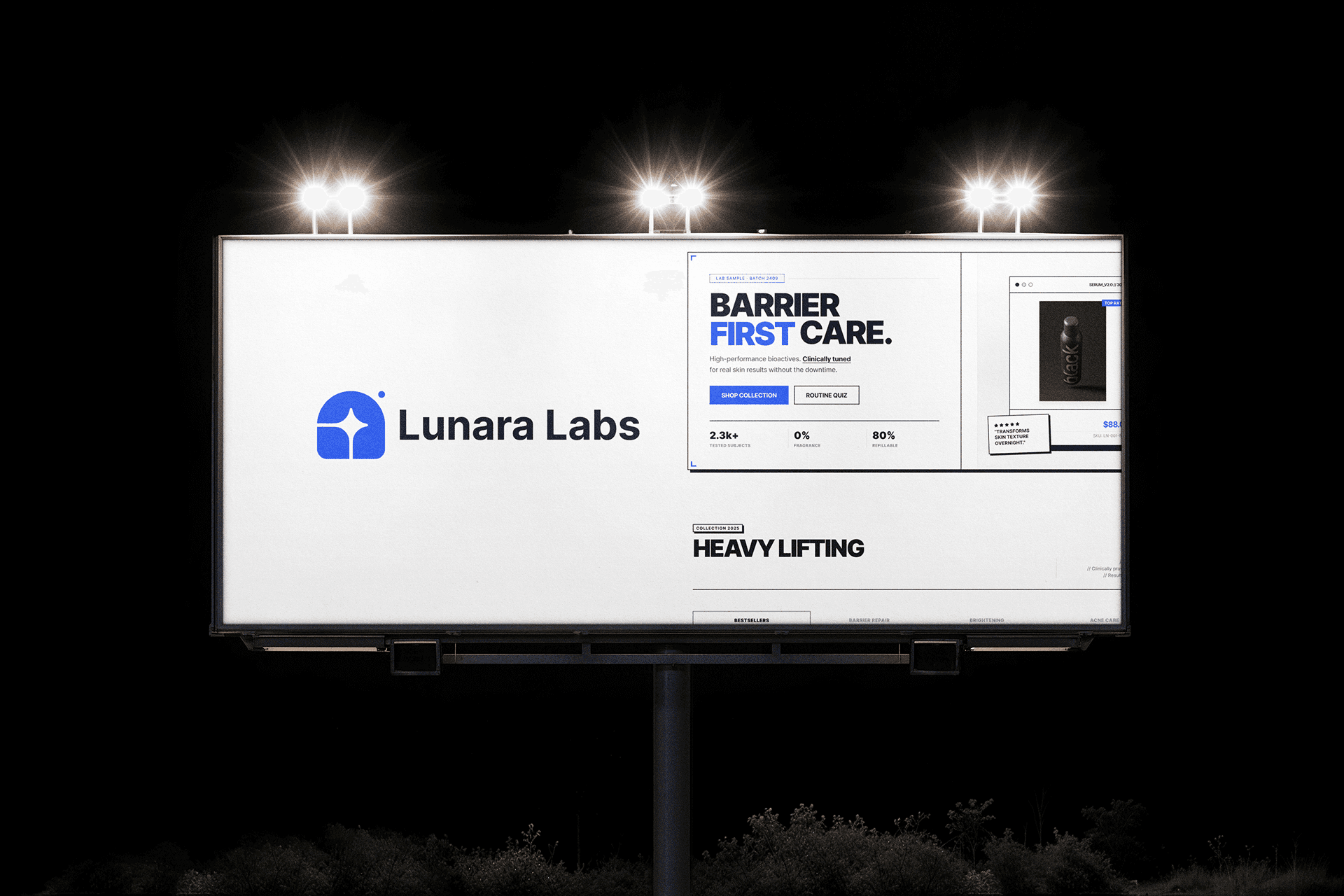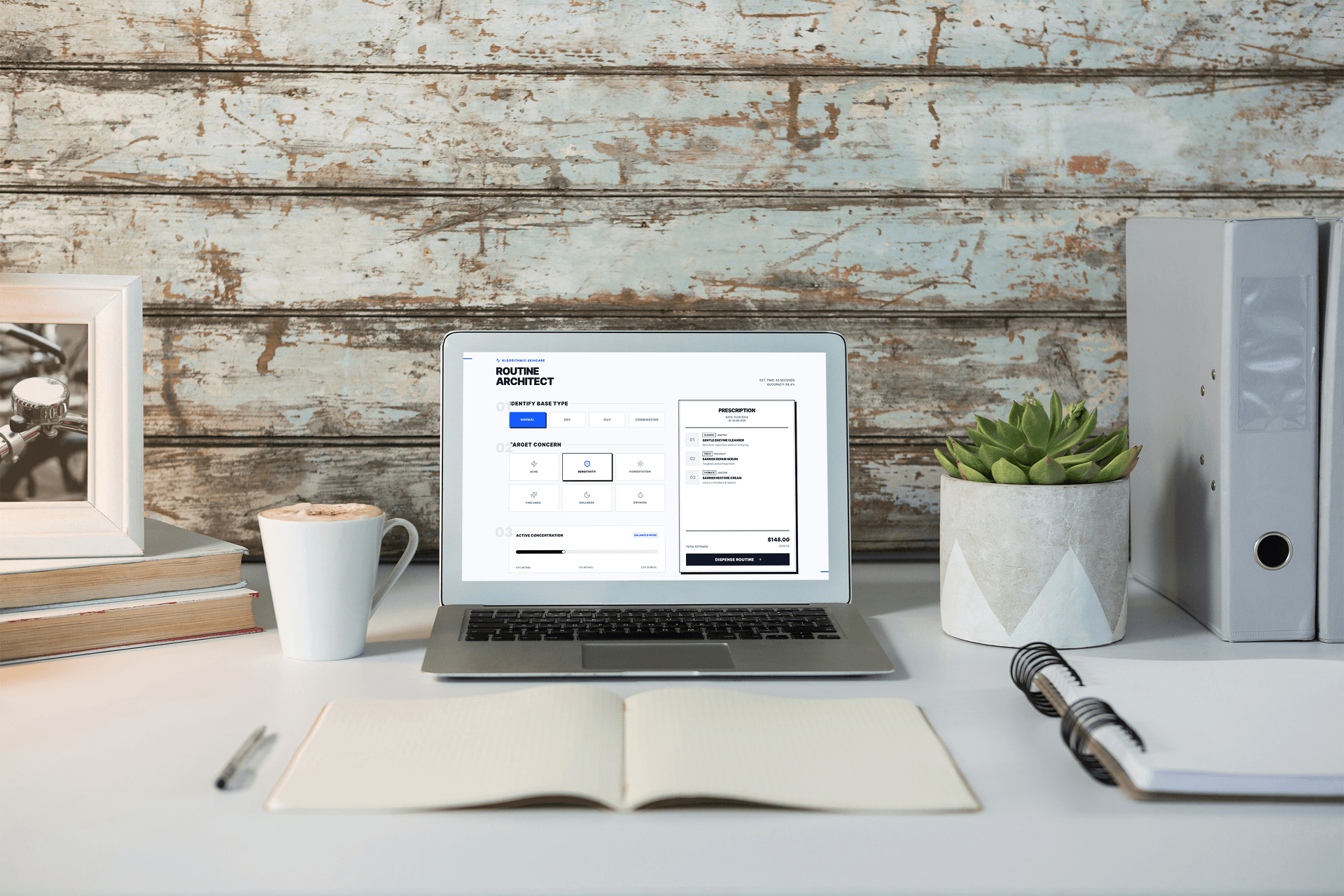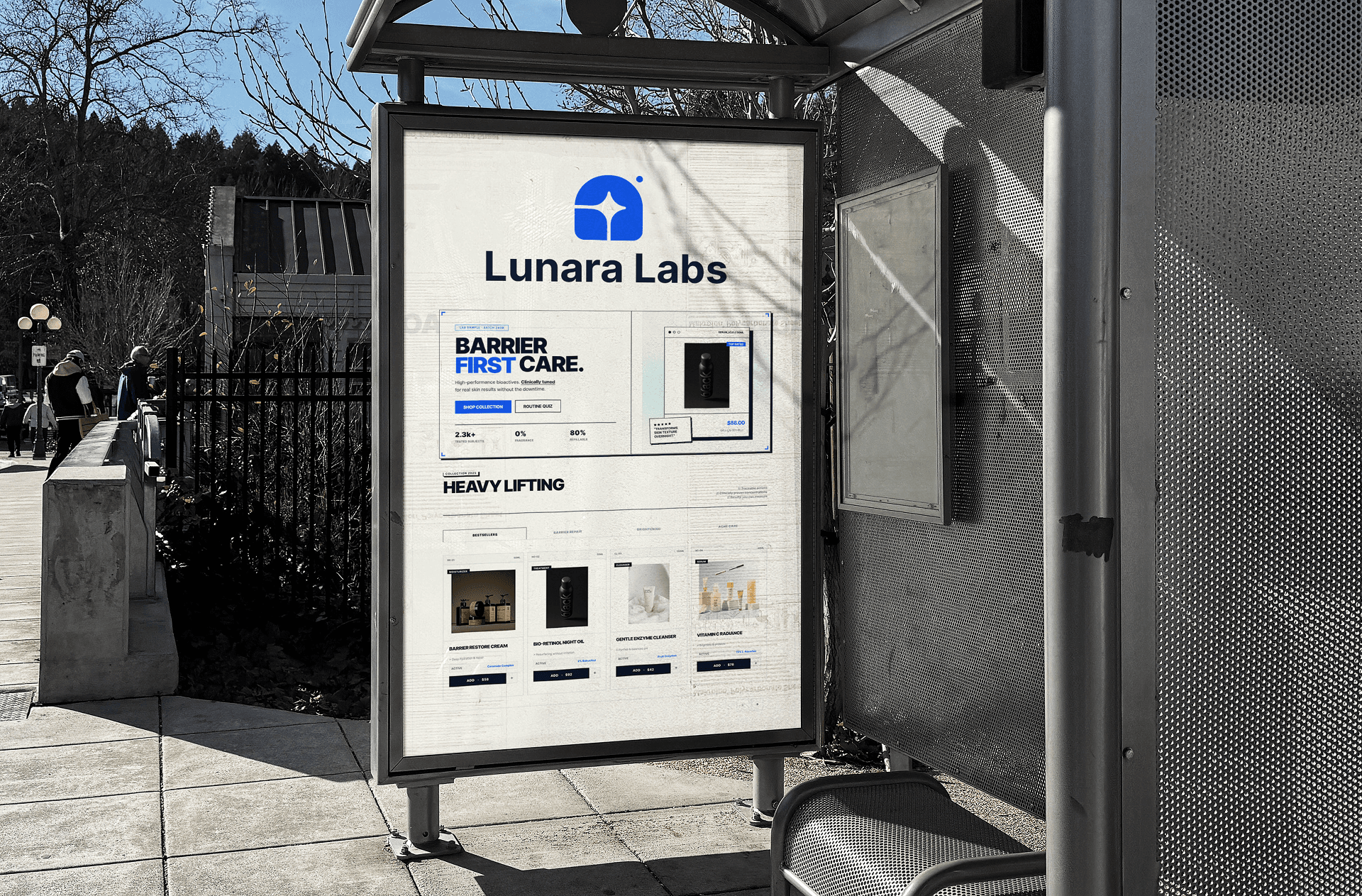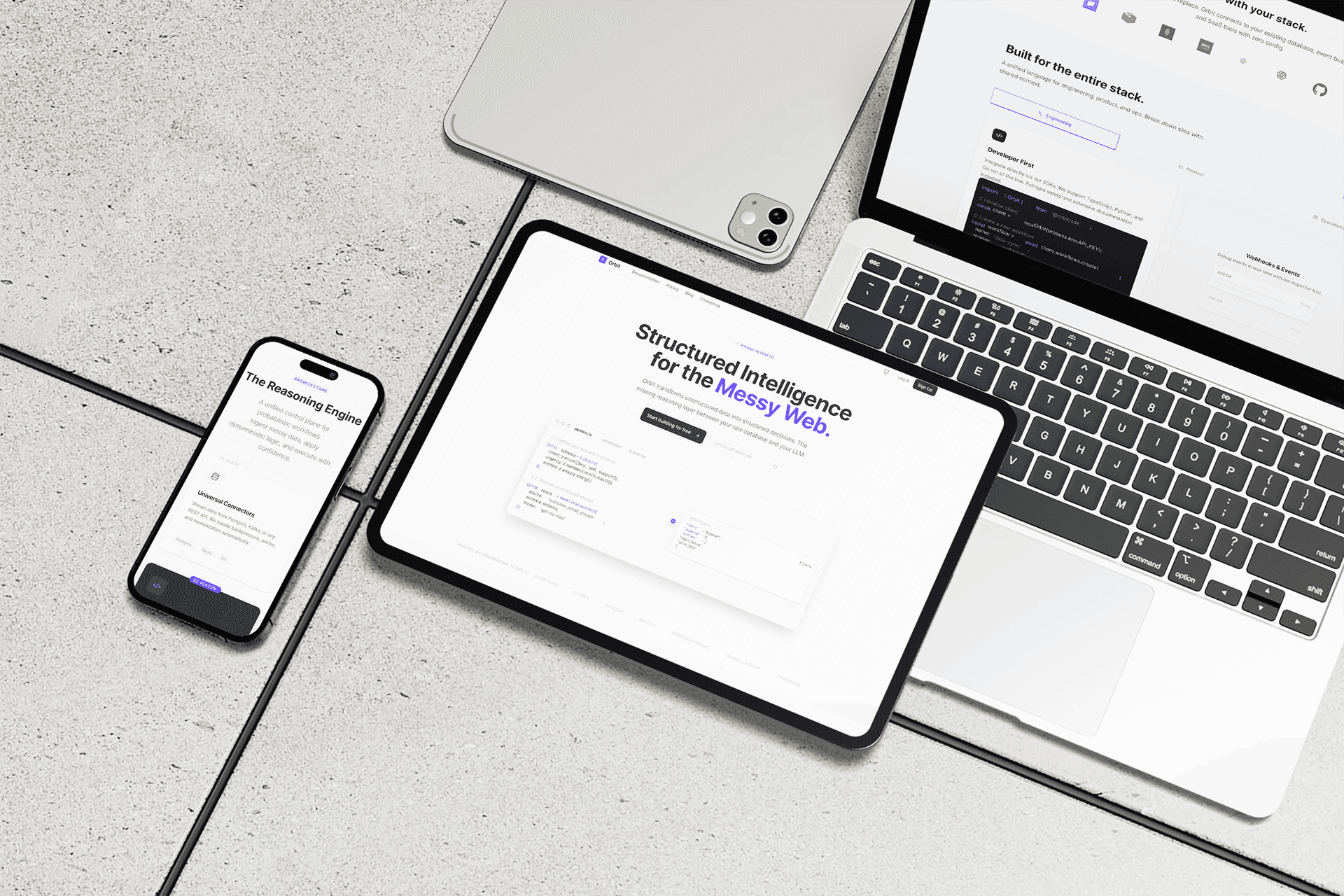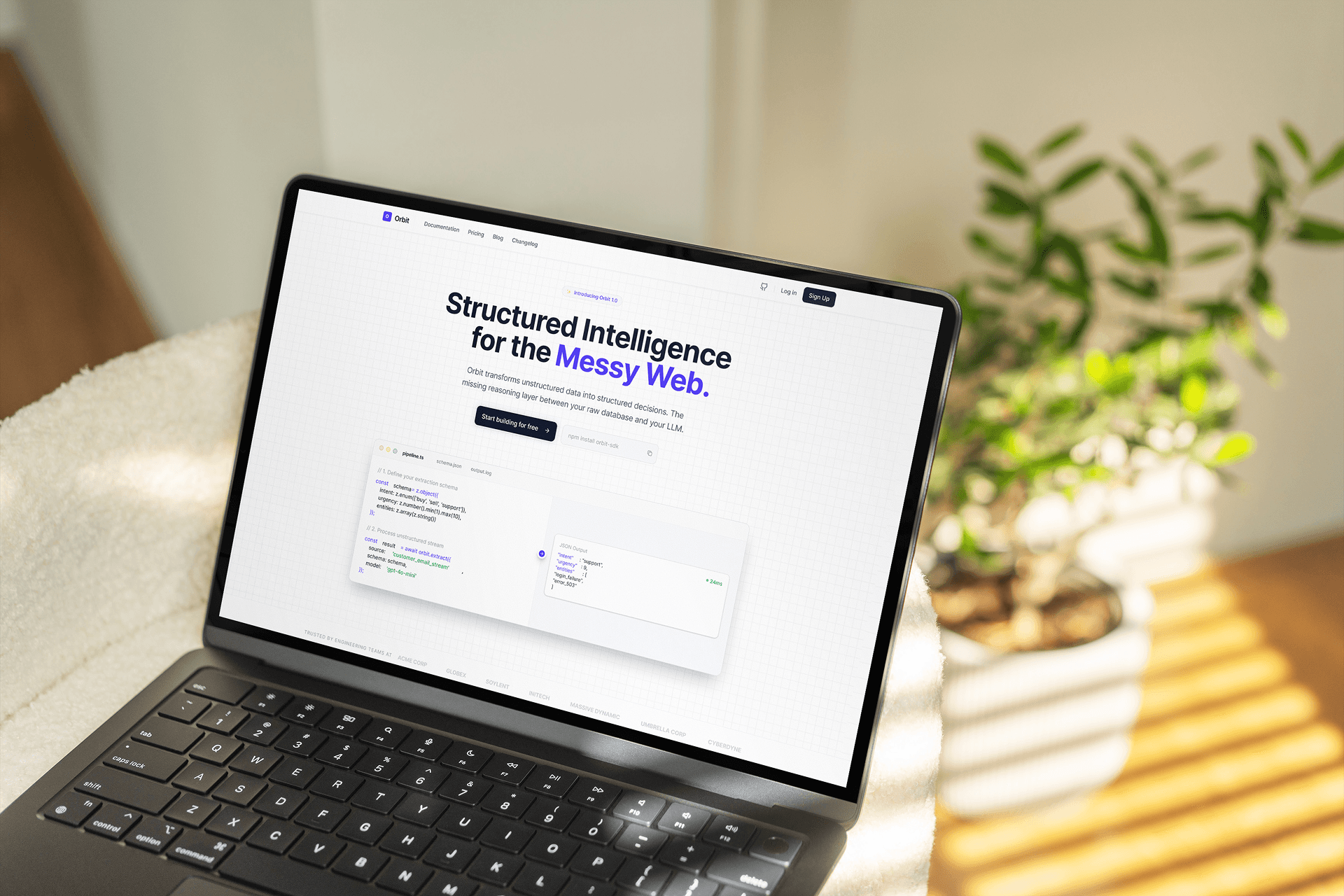
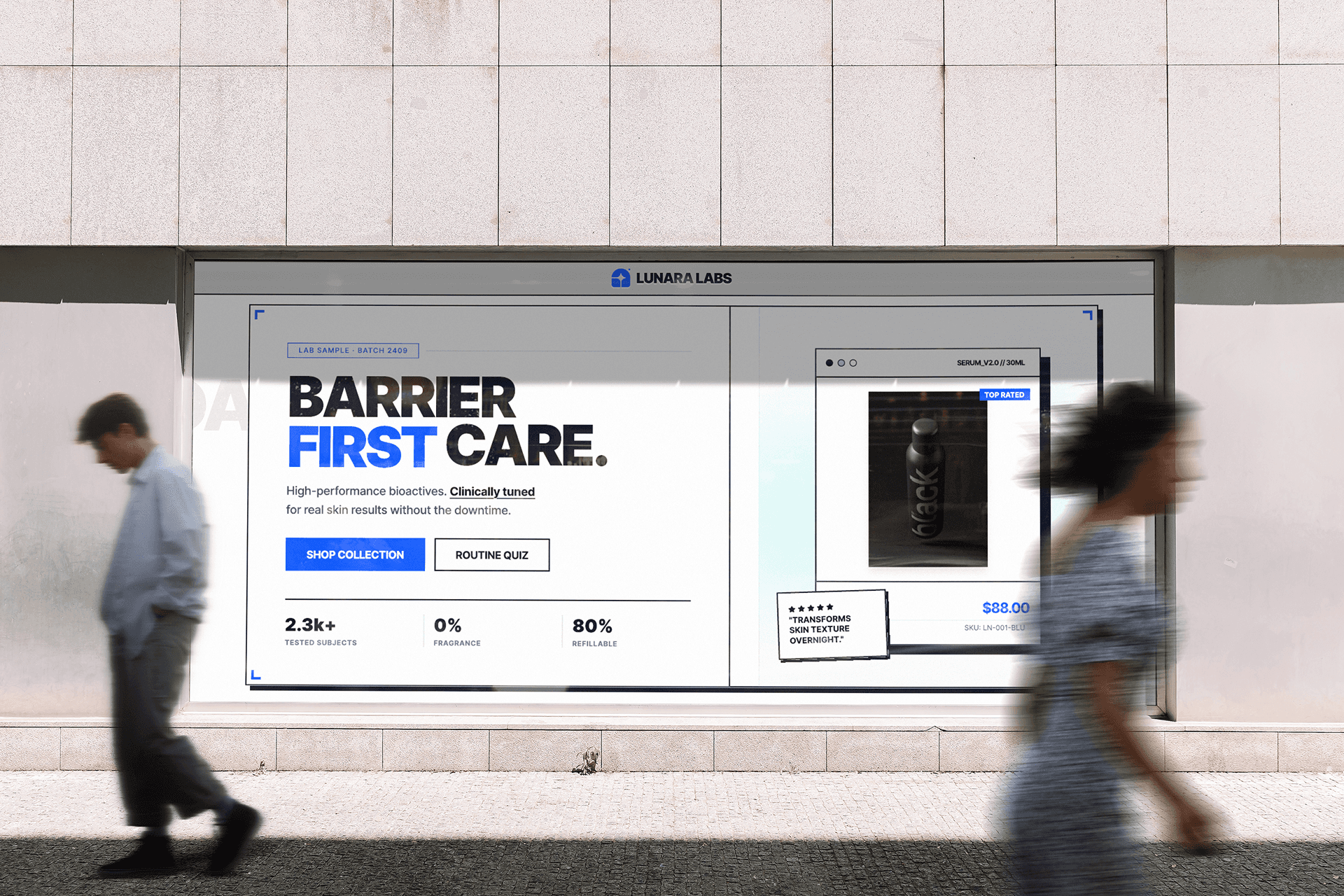
Lunara is a concept product that rethinks how teams work with qualitative data. Instead of dumping recordings into a folder and promising to “review later,” Lunara centralizes calls, notes, and research artifacts in one place, then uses AI to cluster patterns and generate shareable insight boards. I designed Lunara end-to-end — from product story and workflows to the UI, design system, and motion — with the goal of making serious research feel fast and approachable, without falling into the trap of “auto-insights” that nobody trusts.
Services:
Product, UI/UX
Product, UI/UX
Client:
Lunara
Lunara
Year:
2025
2025
Problem
Teams say they are “customer obsessed,” but most of the real insight is locked inside unstructured interviews: Zoom links, call notes, random Figma screenshots, Slack threads. Researchers spend hours tagging transcripts; PMs skim a few lines, then fall back to intuition and whatever is loudest internally. The result is predictable: research gets done, but it rarely shapes decisions in time.
Lunara started from a frustration I have seen in multiple companies: if it is this hard to pull a simple, trustworthy answer out of ten calls, nobody will do it consistently. The challenge was to respect the nuance of qualitative data while removing as much manual overhead as possible.
Product and Experience
Lunara is built around projects, not files. Each project is a living workspace for a problem: “Onboarding friction,” “Churned customers,” “Creator payouts.” You drop in recordings, existing notes, and links; Lunara handles transcription, redaction, and basic structuring automatically.
The core view is an “Insight Canvas” — a grid of evolving themes generated by AI and refined by humans. Instead of a wall of text, you see clusters like “Pricing confusion,” “Setup anxiety,” or “Feature X as workaround,” each backed by timestamped clips and quotes. Dragging a quote onto a theme strengthens it; removing it weakens it. The interface is intentionally minimal: muted neutrals, a deep accent color, and clear hierarchy so the content takes the spotlight.
I designed an interaction model where AI never claims truth on its own. Every auto-generated theme shows its evidence count, confidence, and counter-signals. Export flows are built in from the start: one click to turn a theme into a slide, a product brief, or a shareable link for stakeholders who will never open a research tool.
Outcomes and Learnings
Lunara became a lens for exploring how AI can actually help with nuance-heavy work without flattening it. In walkthroughs, PMs cared less about the magic of transcription and more about how quickly they could answer very specific questions: “Show me three clips where users hesitated before upgrading,” or “What keeps heavy users from inviting teammates?”
The project clarified a few principles I now bring into client work: design AI around evidence, not opinions; always show where an insight comes from; and make the path from raw data to decision artifact as short as possible. Lunara sits in my portfolio as an exploration of how to turn messy qualitative research into a first-class input for product strategy, without making the UI feel like a research lab.
Problem
Teams say they are “customer obsessed,” but most of the real insight is locked inside unstructured interviews: Zoom links, call notes, random Figma screenshots, Slack threads. Researchers spend hours tagging transcripts; PMs skim a few lines, then fall back to intuition and whatever is loudest internally. The result is predictable: research gets done, but it rarely shapes decisions in time.
Lunara started from a frustration I have seen in multiple companies: if it is this hard to pull a simple, trustworthy answer out of ten calls, nobody will do it consistently. The challenge was to respect the nuance of qualitative data while removing as much manual overhead as possible.
Product and Experience
Lunara is built around projects, not files. Each project is a living workspace for a problem: “Onboarding friction,” “Churned customers,” “Creator payouts.” You drop in recordings, existing notes, and links; Lunara handles transcription, redaction, and basic structuring automatically.
The core view is an “Insight Canvas” — a grid of evolving themes generated by AI and refined by humans. Instead of a wall of text, you see clusters like “Pricing confusion,” “Setup anxiety,” or “Feature X as workaround,” each backed by timestamped clips and quotes. Dragging a quote onto a theme strengthens it; removing it weakens it. The interface is intentionally minimal: muted neutrals, a deep accent color, and clear hierarchy so the content takes the spotlight.
I designed an interaction model where AI never claims truth on its own. Every auto-generated theme shows its evidence count, confidence, and counter-signals. Export flows are built in from the start: one click to turn a theme into a slide, a product brief, or a shareable link for stakeholders who will never open a research tool.
Outcomes and Learnings
Lunara became a lens for exploring how AI can actually help with nuance-heavy work without flattening it. In walkthroughs, PMs cared less about the magic of transcription and more about how quickly they could answer very specific questions: “Show me three clips where users hesitated before upgrading,” or “What keeps heavy users from inviting teammates?”
The project clarified a few principles I now bring into client work: design AI around evidence, not opinions; always show where an insight comes from; and make the path from raw data to decision artifact as short as possible. Lunara sits in my portfolio as an exploration of how to turn messy qualitative research into a first-class input for product strategy, without making the UI feel like a research lab.